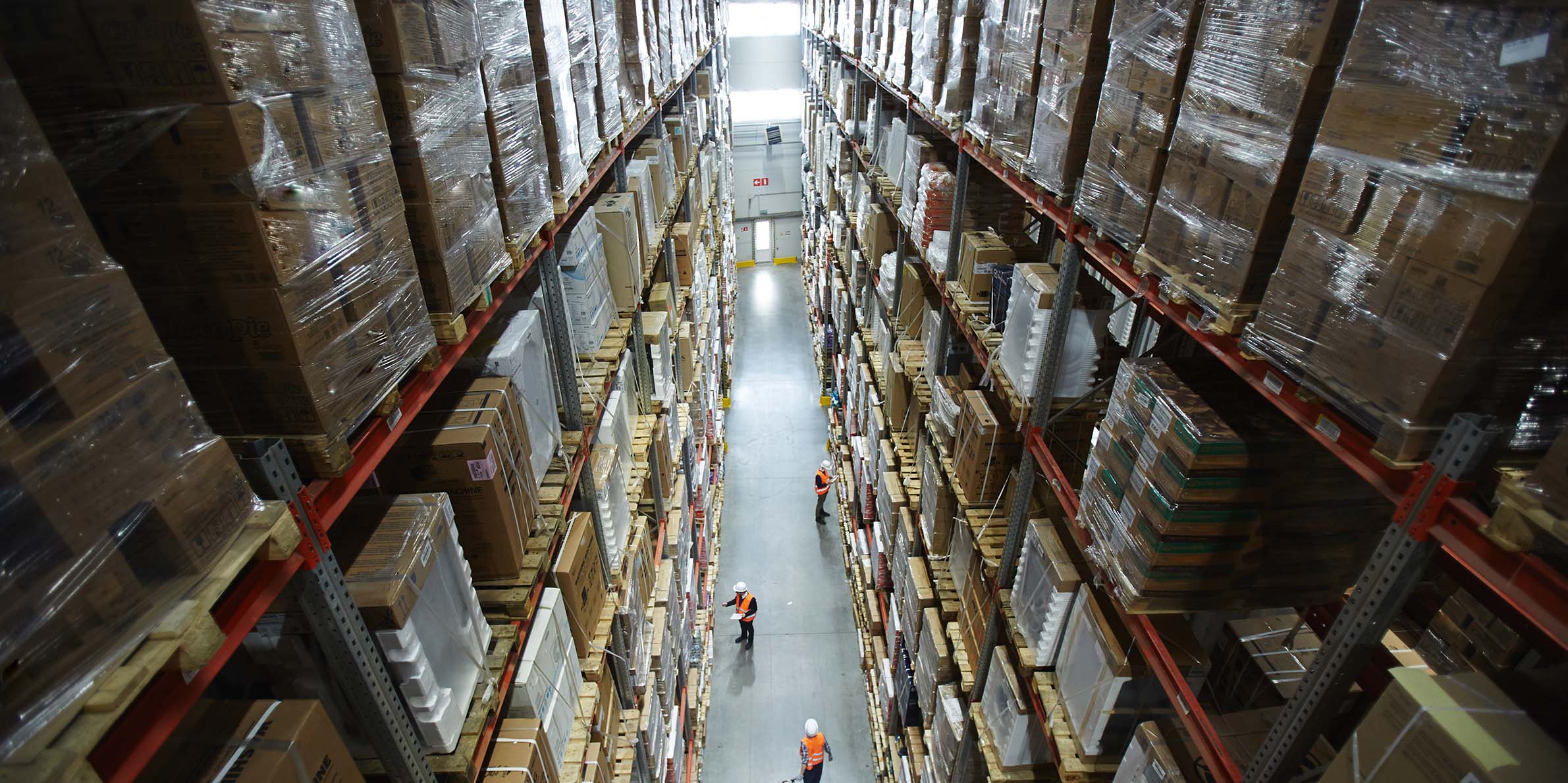
High-angle view of workers inspecting tall shelves stacked with boxes in a large warehouse aisle.

Fire and life safety services for WAREHOUSEs & DISTRIBUTION centers


THE POWER OF UNSTOPPABLE MOTION
Defending the momentum of your warehouse and distribution center.
Your facility is the engine of modern commerce. We ensure it never has to gear down.
No stoppages.  No compromises.  No lost ground.
CONTACT FORTIS
In an industry where one failure can stall an entire supply chain, we provide the confidence that keeps your operation in motion. Fire risk here is not theoretical. Vertical storage. Conveyor systems. Lithium batteries. Forklifts. Charging stations. Fortis understands that protection in large facilities is about more than code compliance. It is about continuity. Our technician-led teams design, inspect, and maintain systems built for massive footprints and constant motion. Every sprinkler zone, every alarm loop, every suppression strategy is engineered to respond fast and decisively in environments where seconds matter. Fortis measures success by what never stops.
Close-up of a red fire sprinkler head mounted on a ceiling pipe.
What fire protection systems does a large warehouse or distribution center need?

Large warehouse and distribution centers require fire protection systems specifically engineered for high-challenge storage environments — not adapted from standard commercial designs.

This includes ESFR (Early Suppression, Fast Response) or in-rack sprinkler systems designed for the facility's specific storage density, commodity type, and ceiling height; addressable fire alarm systems with detection and notification configured for large, high-ceiling environments; targeted fire suppression for battery charging stations, conveyor drive systems, and industrial equipment; and security systems covering expansive perimeters, multiple access points, and high-value inventory.

All systems must be engineered and maintained with operational continuity as a primary design parameter.

Contact Fortis

Who Manages Fire & Life Safety for Warehouses & Distribution Centers

When the Floor Stops, Everything Stops. That's on You.
Operations managers, EHS directors, property owners, and supply chain leadership all carry a version of fire protection accountability in large industrial facilities — and all of them measure failure in the same currency: lost time.

Facility & Operations Managers

Operations managers in warehouse and distribution environments prioritize continuity above all else. They need fire protection systems that perform without creating the operational disruption that inspection, maintenance, and testing can produce in a facility running around the clock. Fortis schedules around your operation.

EHS & Safety Directors

Environmental health and safety directors are accountable for OSHA compliance, fire code compliance, and the insurance documentation that depends on both. Fortis provides inspection programs that satisfy all three — with documentation structured for insurance carriers, fire marshals, and internal EHS reporting.

Real Estate & Property Owners

Owners of large industrial facilities carry compliance obligations independent of tenant operations. Fortis provides landlord-level compliance programs that satisfy fire code requirements and insurance carrier obligations across single-property and portfolio holdings.

Supply Chain & Logistics Leadership

VPs of Supply Chain and Logistics Operations understand that a facility fire event doesn't stop at the property line — it stalls customer commitments, disrupts network flow, and creates ripple effects that last far longer than the physical recovery. Fortis's protection programs are designed to prevent those events entirely.

Relevant Services for Warehouses & Distribution Centers

Industrial-Scale Protection Built for Constant Motion.
From ESFR sprinkler systems and lithium battery suppression to perimeter security and 24/7 emergency response — Fortis engineers and maintains protection for every zone in your facility, at the scale your operation demands.
Close-up of a red fire sprinkler head mounted on a ceiling pipe.

Fire Sprinkler Systems

ESFR sprinkler systems engineered for high-cube storage environments — providing rapid, high-density water application at the storage level where fire originates. In-rack systems for facilities where ceiling-only coverage cannot reach the fire challenge at speed. Hydraulic calculations and storage density analysis performed for your specific commodity profile, not a standard template. NFPA 25-compliant inspection and testing.
More about Fire Sprinkler Systems
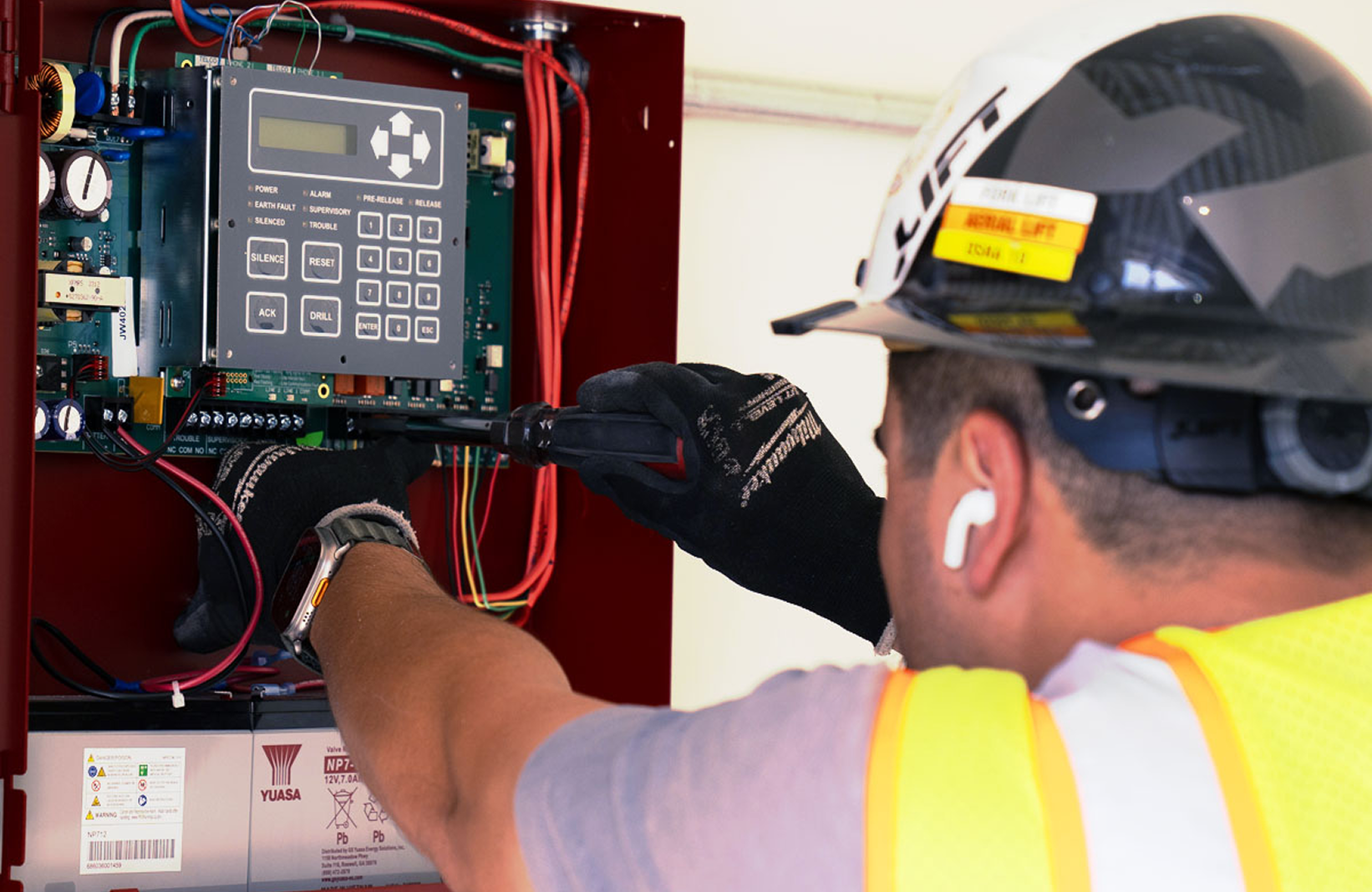
Technician wearing gloves and helmet using screwdriver to work on electrical control panel.

Fire Alarm Systems

Addressable alarm systems with detection and notification configured for the acoustic and geometric challenges of large industrial spaces — high-output notification appliances, beam detectors for high-ceiling areas, and duct detectors for large HVAC systems. Integration with fire suppression pre-action sequences and emergency evacuation systems.
More about Fire Alarm Systems
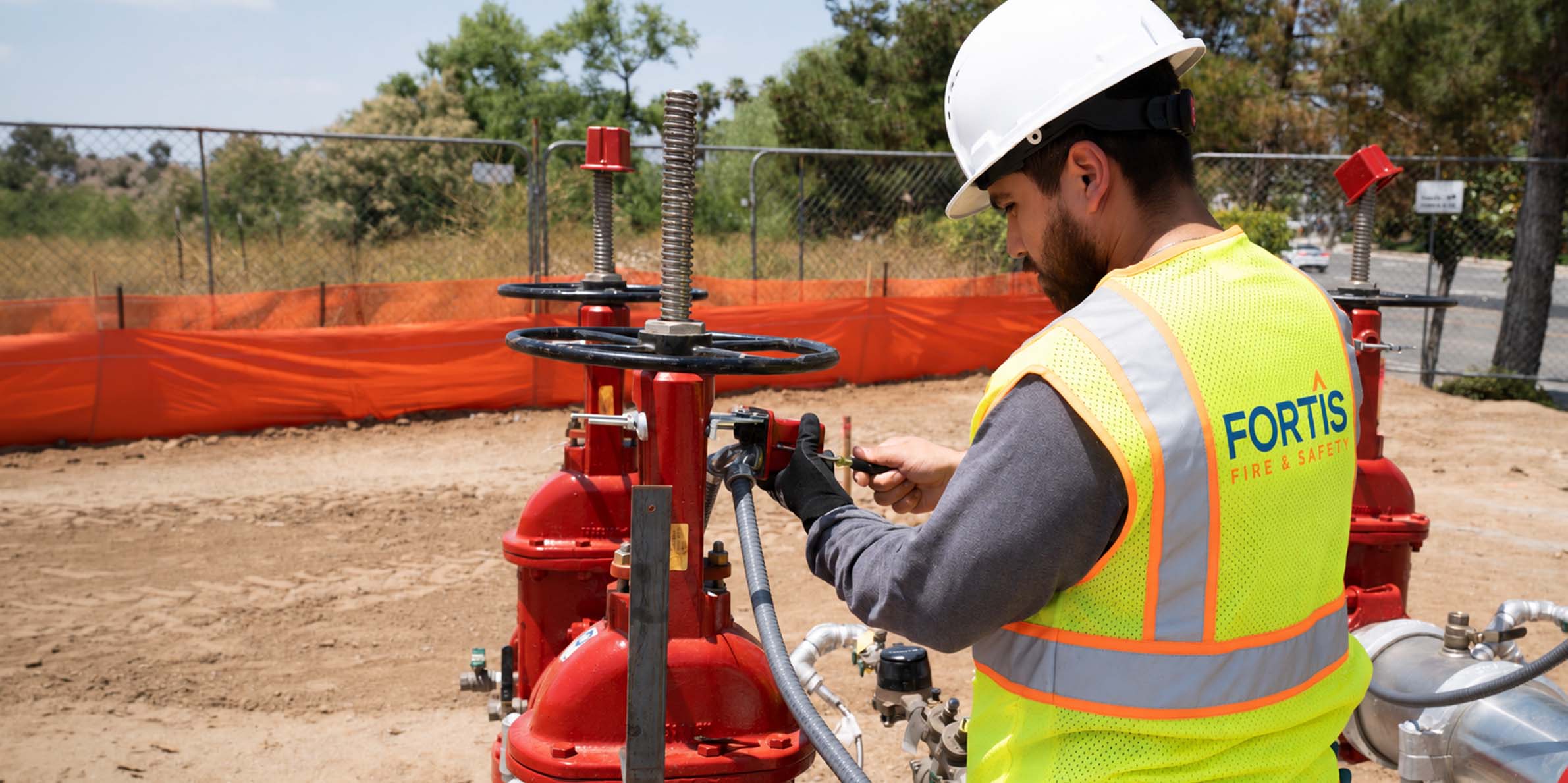
Worker in hard hat and vest adjusts large red fire safety valves at an outdoor construction site.

Fire Suppression Systems

Targeted suppression solutions for battery charging stations, conveyor drive systems, and industrial equipment areas within larger facilities. Clean agent and CO2 systems for control rooms and electrical infrastructure. Wet chemical suppression for break room and cafeteria kitchen operations.
More about Fire Suppression Systems
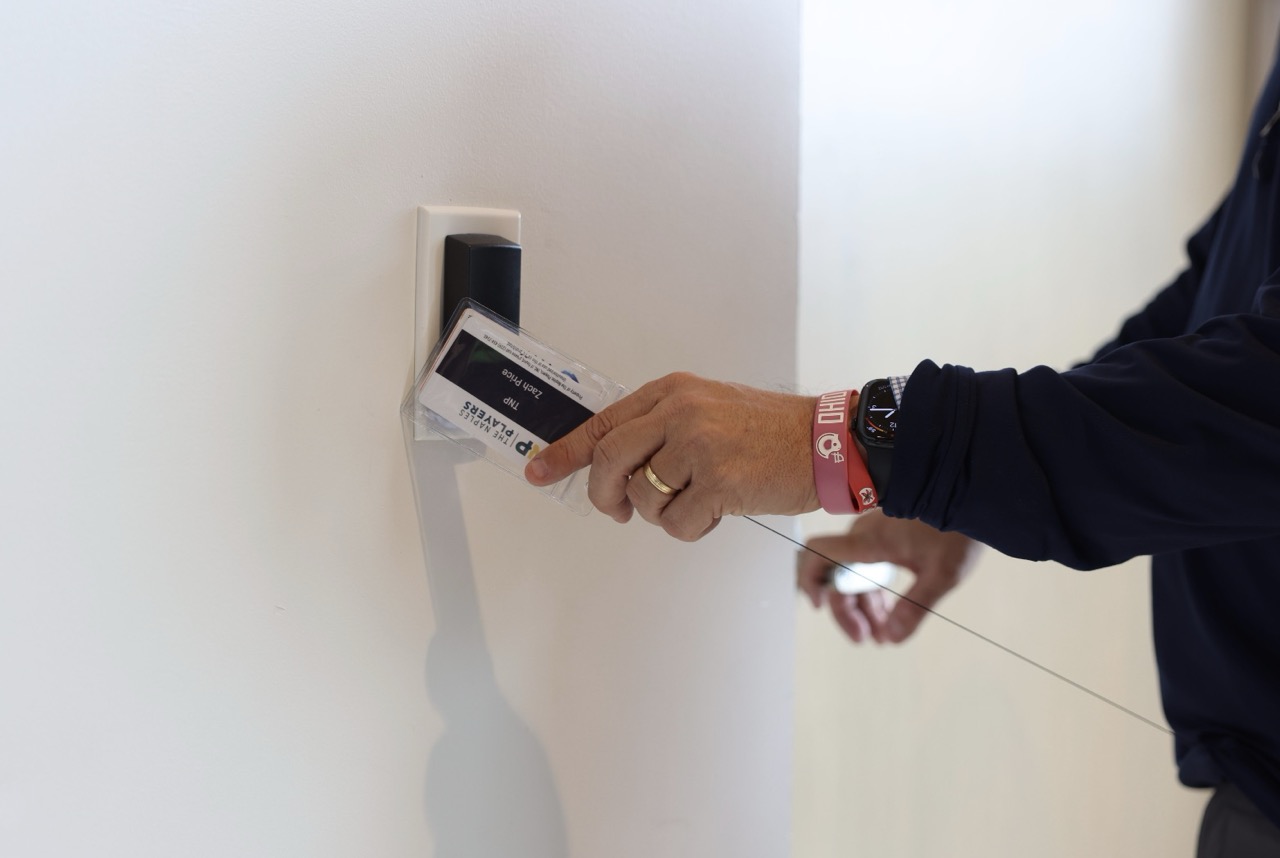
Person holding an ID badge to a wall-mounted card reader for access control.

Security Systems

Perimeter access control across multiple entry points and loading dock areas. High-definition surveillance for inventory storage areas, staging zones, and exterior perimeters. 24/7 monitoring for after-hours facility coverage. Integration with visitor and contractor management systems.
More about Security Systems
Smiling woman wearing headset, holding and looking at a tablet in an office setting.

24/7 Emergency Service

Around-the-clock emergency response for system failures and activations — because a distribution center operating 24/7 faces fire protection system failures at every hour. Locally based technicians with industrial facility experience respond immediately to restore protection and compliance.
More about 24/7 Emergency Service

Code & Compliance for Warehouses & Distribution Centers
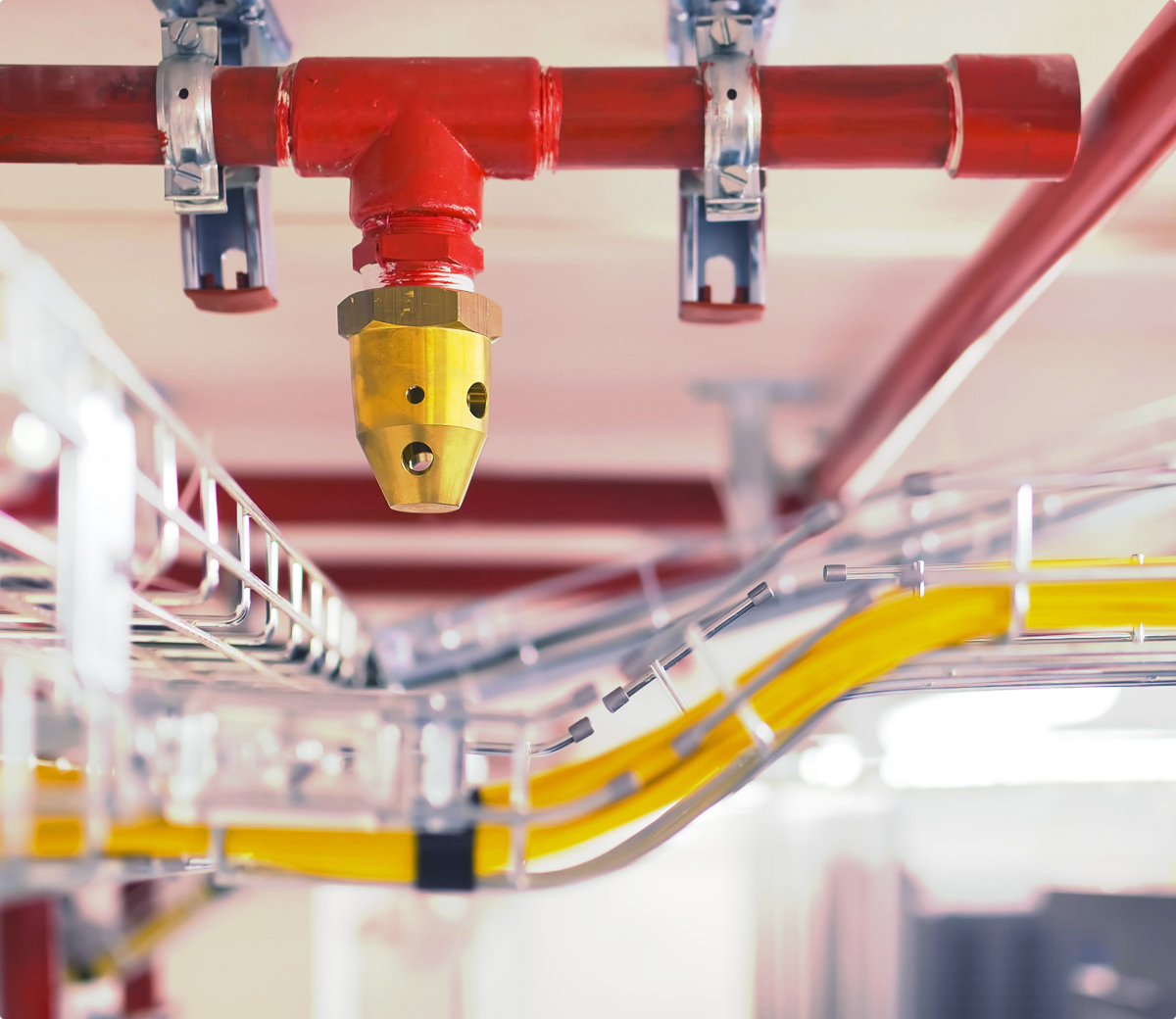
The Code Is Specific. The Hazards Are Real. The Margin for Error Is Zero.
Warehouse sprinkler design is among the most technically demanding applications in NFPA 13 — tied directly to storage configuration, commodity type, and ceiling height in ways that make storage changes a compliance event, not just an operational one.
Close-up of a red fire sprinkler pipe with a brass sprinkler head attached to ceiling pipes.

NFPA 13

(Standard for the Installation of Sprinkler Systems) governs sprinkler system design in warehouse occupancies, with specific provisions for high-piled storage, rack storage, and early suppression fast response applications. Sprinkler design in warehouse environments is among the most technically demanding in the standard — requiring hydraulic analysis specific to the storage configuration.

NFPA 25

establishes inspection, testing, and maintenance requirements for water-based systems. In large facilities, NFPA 25 compliance requires coordinated inspection programs that cover every valve, every flow test station, and every sprinkler head — at scale.

NFPA 72

governs fire alarm systems, with specific considerations for large-volume spaces where standard detection technologies may not perform adequately due to ceiling height, air movement, and ambient conditions.

OSHA 29 CFR 1910.157

and related standards establish employer obligations for fire protection in general industry settings, including fire extinguisher maintenance, emergency action plan requirements, and employee training obligations.
Insurance carrier requirements often exceed code minimums for warehouse and distribution facilities — particularly for high-value inventory and cold storage operations. Fortis designs and maintains systems that satisfy both the code and the carrier.
Contact Fortis

how it works

here to help, every step of the way
1

Hazard & Storage Analysis

Fortis begins every warehouse engagement with a detailed analysis of the facility's storage configuration, commodity profile, ceiling height, and operational patterns. ESFR sprinkler design, alarm detection placement, and suppression coverage for specialized hazards are all determined by this analysis — not by a generic industrial template.

Man with clipboard inspecting tall shelves filled with boxes in large organized warehouse.
2

Operations-Integrated Scheduling

All inspection, testing, and maintenance is scheduled in coordination with facility operations — planned maintenance during slower operational periods, emergency response at any hour. Fortis works with your scheduling team to minimize disruption to throughput.
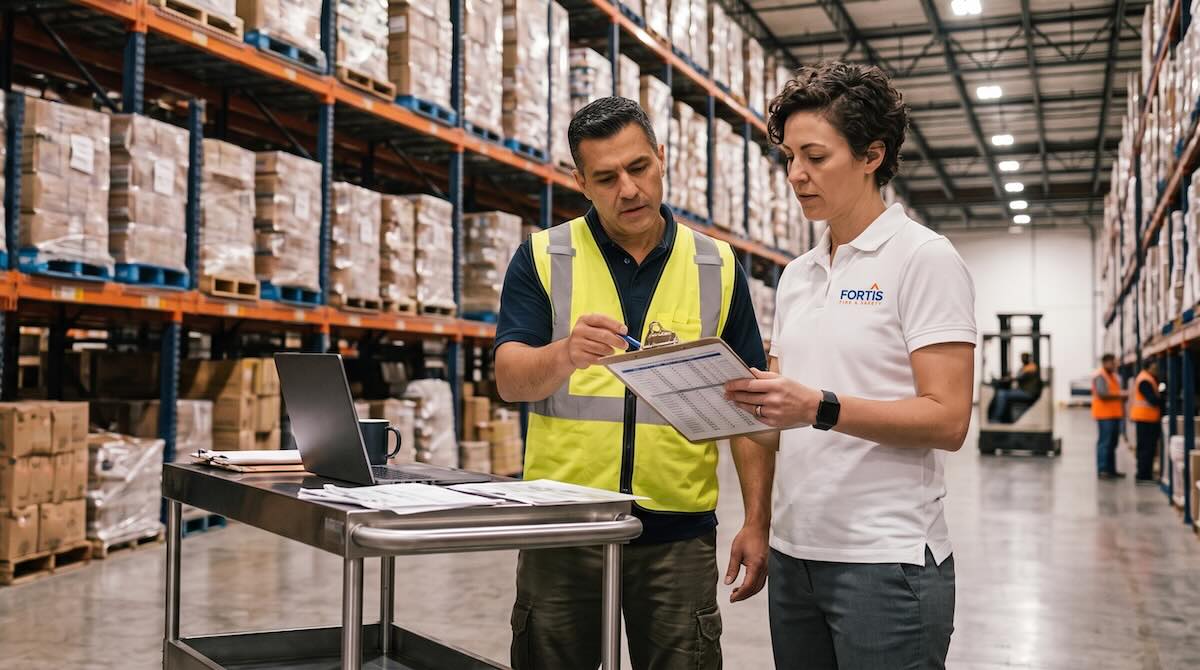
Two warehouse workers reviewing documents near a laptop among tall shelves stacked with pallets.
3

Full-Facility Coverage Management

Large facilities require coordinated inspection programs that cover every system across every zone — storage bays, conveyor areas, charging stations, loading docks, and office infrastructure — on a single, accountable schedule. Fortis manages the full program.

Warehouse manager in a Fortis shirt reviews plans while workers sort boxes on conveyor belts below.
4

Change Management

Warehouse storage configurations change constantly — new commodity types, increased storage density, rack reconfiguration, expanded charging infrastructure. Fortis provides ongoing change management support to ensure that operational changes don't create fire protection gaps.

Man reading a warehouse floor plan while workers organize boxes and forklift moves pallets.

FREQUENTLY ASKED QUESTIONS

FAQs about fire protection services for Warehouses & Distribution Centers
We get asked a lot of questions about our Fire Protection Services for Warehouses & Distribution Centers — here are some of the most common.
What is an ESFR sprinkler system and when is it required?
ESFR (Early Suppression, Fast Response) sprinkler systems are a class of high-performance sprinkler heads specifically designed to suppress fire in high-challenge, high-piled storage environments before it develops beyond the initial ignition area. ESFR heads deliver water at high density and velocity, penetrating the thermal plume of a fire to reach the fuel at storage level. ESFR systems are required or recommended when storage height exceeds the design parameters of standard sprinkler systems — typically in facilities with storage above 25 feet, high-challenge commodities, or rack storage configurations that create channeled fire spread pathways. The specific ESFR design required depends on the commodity, storage height, and ceiling height of the facility.
How does storage reconfiguration affect sprinkler compliance?
Any change to a warehouse's storage configuration — increased storage height, new commodity types, rack installation or reconfiguration, or changes to aisle width — may require a hydraulic recalculation and potentially a system redesign to maintain compliance. NFPA 13 ties sprinkler design to specific storage and commodity parameters, and a system designed for one configuration may not provide adequate protection for another. Fortis provides change management support that evaluates proposed storage changes against the existing sprinkler design before implementation — preventing compliance gaps before they occur.
What fire protection is required for lithium battery charging stations?
Lithium battery charging stations represent one of the fastest-growing fire hazards in warehouse and distribution environments — lithium battery fires burn at extreme temperatures, are difficult to suppress with standard suppression agents, and can reignite after apparent extinguishment. NFPA and FM Global have both issued guidance on lithium battery fire protection, with requirements evolving rapidly. Current best practice typically includes early detection specifically sensitive to lithium battery thermal runaway signatures, suppression coverage at the charging station level, and physical separation or compartmentation from primary storage areas. Fortis stays current with the evolving standards and designs protection solutions appropriate for the specific battery chemistry and charging configuration of your facility.
Can fire protection system testing be performed without shutting down operations?
Most fire protection system testing can be performed without full operational shutdown. Alarm system testing can be conducted in zones, with notification suppressed in active operational areas while testing proceeds in adjacent zones. Sprinkler system flow tests and valve inspections can typically be performed without disrupting active storage operations. Where temporary water supply shutdown is required, Fortis coordinates with operations management to schedule the shortest possible impairment window during the lowest-impact operational period. Emergency response and impairment management protocols are provided for any planned outage.

WHY CHOOSE FORTIS for warehouse and distribution facilities

The Fortis Difference
Fortis brings industrial-scale engineering expertise, operations-first scheduling, and the change management support that warehouse and distribution facilities need from a provider who understands that continuity is not a courtesy — it is the only acceptable standard.

You measure success by throughput, uptime, and on-time delivery. Fortis measures success by what never stops.
Industrial-scale expertise.

Fortis engineers and technicians understand the specific fire protection challenges of large warehouse and distribution environments — ESFR hydraulics, lithium battery hazards, conveyor system suppression, and the operational constraints that shape every design and maintenance decision.

Operations-first scheduling.

Service programs designed around your throughput requirements — not around a standard inspection calendar. Minimal disruption is not a courtesy; it is a design parameter.

Change management support.

Ongoing technical support for the storage configuration changes that warehouse operations experience constantly — ensuring that operational agility doesn't create fire protection gaps.

warehouse and distribution Service Area

Fire protection coverage

Fortis Fire & Safety operates through a national network of regionally embedded fire and life safety companies — delivering industrial-scale fire protection expertise in every market we serve, backed by the resources and standards of a premier national organization.


For national account inquiries, contact our National Accounts team.
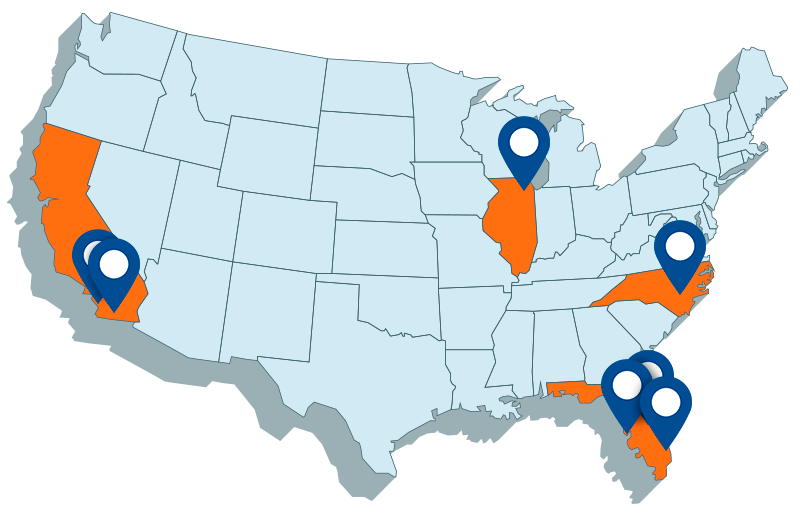
Map of the US highlighting California, Illinois, North Carolina, and Florida with blue location pins.

CJ Suppression

205 Lewis Court
Corona, CA 92882

visit site >

VFS Fire & Security Services

501 W. Southern Avenue
Orange, CA 92865

visit site >

LaMarco Systems

425 Huehl Rd Building 5
Northbrook, IL 60062

visit site >

Diversified Systems, Inc.

1103 Great Falls Court
Knightdale, NC 27545

visit site >

Integrated Fire & Security Systems

1970 Dana Drive
Fort Myers, FL  33907

visit site >

Lifesafety Management

2017 Corporate Drive
Boynton Beach, FL 33426

visit site >

Piper Fire Protection

13075 US Hwy 19 N
Clearwater, FL 33764

visit site >

KEEP YOUR OPERATION MOVING.

Talk to a Fortis specialist about fire and life safety for your warehouse or distribution center.

Fortis Family of Brands
Local expertise, national strength
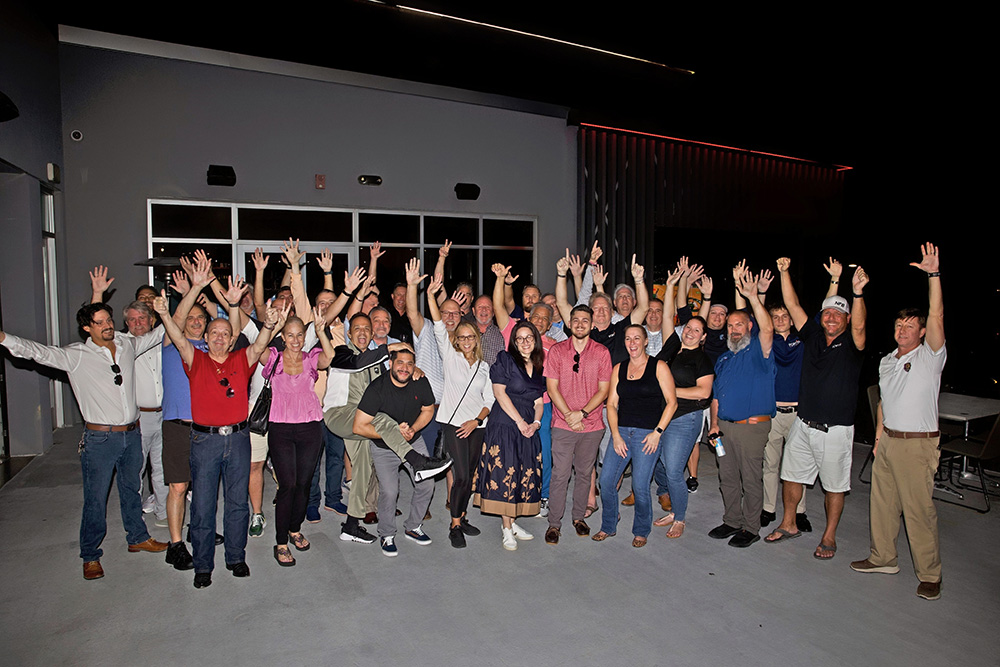
Large group of people outside at night with raised hands, smiling and posing for a photo.
The best of both — in every market we serve.

Trust is built locally. It lives in the technician who knows your building, knows your local codes, and shows up when something goes wrong at midnight. It lives in the relationship between a fire protection company and the community it has served for decades.


But capability is built at scale. The training standards, the technical resources, the purchasing power, the shared knowledge of a unified national organization — these are the things that make a local provider exceptional rather than merely adequate.

Fortis was built on this belief.

Our network of regionally rooted fire and life safety companies delivers genuine local expertise in every market we serve — technicians who know the regional AHJs, the local codes, and the specific demands of the facilities in their community. Behind each of them stands the full weight of a premier national organization.

You build. You create. You push the world forward.
We protect it all.
CJ Suppression logo with stylized flames above oval containing 'CJS' text, tagged as a Fortis brand.Diversified Systems, Inc. logo with a downward triangle and horizontal line, A Fortis brand.IFSS logo with Integrated Fire and Security Solutions, a Fortis brand text.LSM shield logo with text LifeSafety Management, a Fortis brand on black background.Piper Fire Protection logo with a stylized water droplet and swoosh, labeled a Fortis brand.VFS logo with a triangular symbol above and text Fire & Security Services, A Fortis BrandLAMARCO SYSTEMS logo with text Life Safety & Integrated Security Solutions, a FORTIS brand.