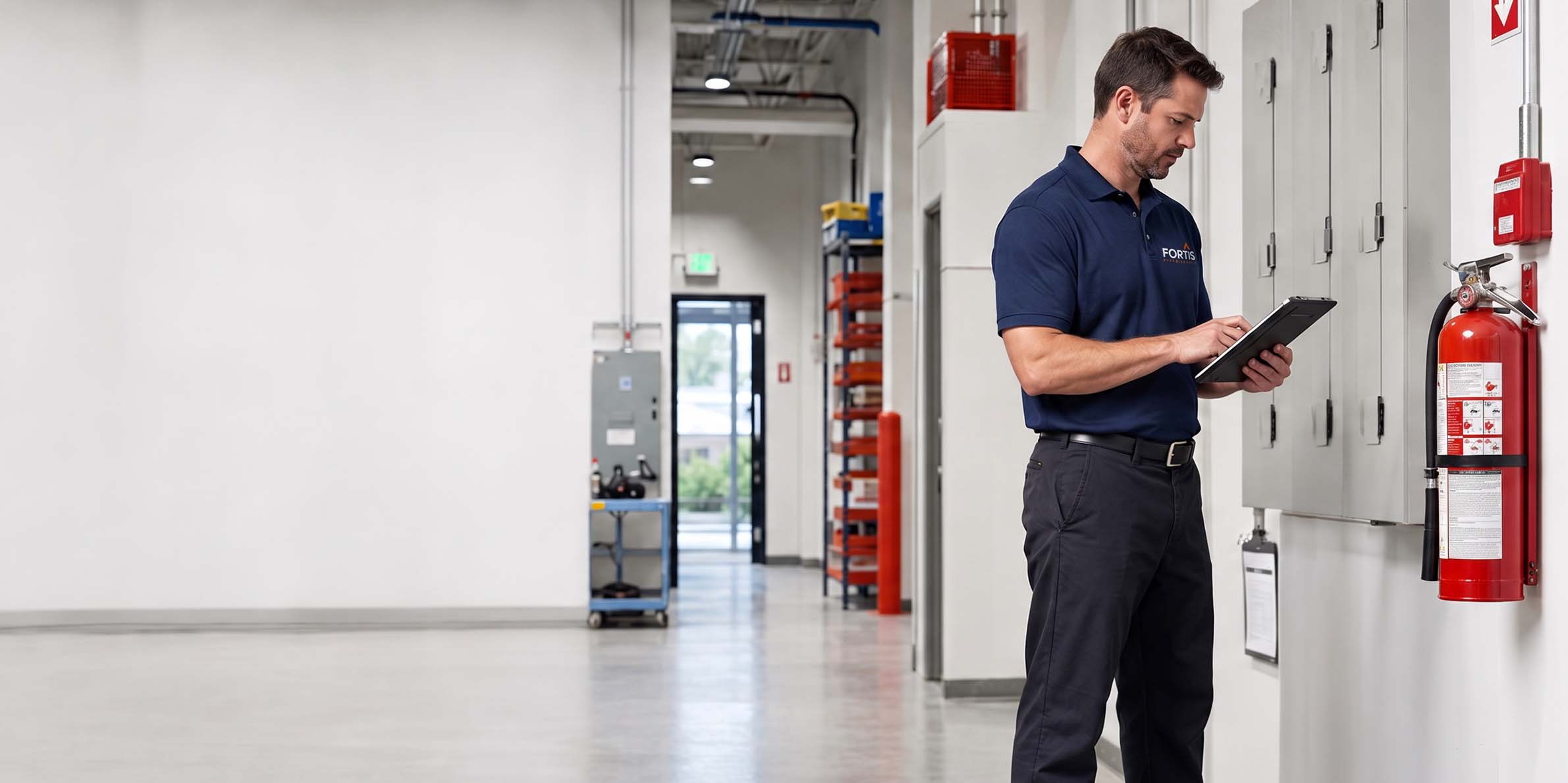

Worker in hard hat and vest adjusts large red fire safety valves at an outdoor construction site.

Fire Extinguishers

THE FIRST LINE, NOT THE LAST RESORT
Be ready before you need to be.
Every fire starts small. What you reach for first decides what happens next.
Always charged. Always placed. Always within reach.
CONTACT FORTIS
A portable fire extinguisher is the only fire protection tool your people will ever operate themselves — which means it has to work exactly right, every time, with zero hesitation between the moment someone reaches for it and the moment it responds. Our superpower is providing complete extinguisher programs – facility-matched equipment, full compliance lifecycle, fire-marshal-ready documentation. Stop the small fire. Prevent the big one. Keep your people confident, not guessing. Fortis makes sure the first line of defense is never the weak link.
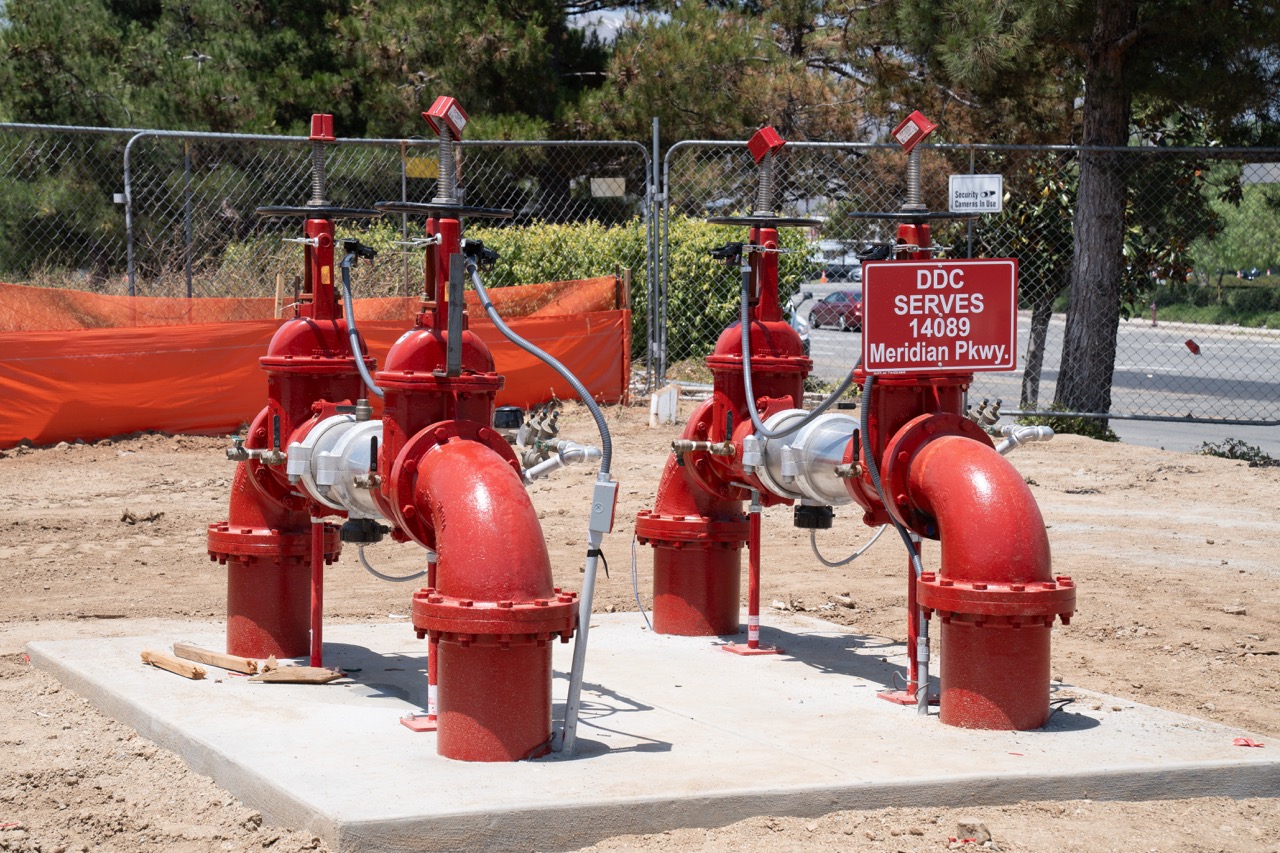
Four large red fire suppression valves installed on a concrete pad at a construction site.
WHAT IS FIRE EXTINGUISHER SERVICE?

Fire extinguisher service is the ongoing inspection, maintenance, recharging, and — when required — hydrostatic testing of portable fire extinguishers, performed to keep them compliant with NFPA 10 and ready to perform in an actual fire event.

Extinguishers are classified by the fuel type they're designed to fight — Class A (ordinary combustibles), Class B (flammable liquids), Class C (electrical), Class D (combustible metals), and Class K (commercial kitchen grease fires) — and the right type, size, and placement depends on the specific hazards present in a facility.

For facility and property managers, code requires a documented inspection program; and an extinguisher that's overdue, undercharged, or improperly placed is a liability that looks like protection until the moment it's tested.

Contact Fortis

WHO NEEDS FIRE EXTINGUISHER SERVICE

EVERY FACILITY HAS SOMETHING WORTH STOPPING FAST.
Portable fire extinguishers are required by code in virtually every occupied commercial building — but the right program looks different depending on what's actually burning risk in your facility.

Hospitality

Commercial kitchens in hotels and restaurants are Class K territory — grease and cooking-oil fires that standard extinguishers can't safely handle. Class K units, paired with kitchen hood suppression, are non-negotiable in any food-service operation.

Healthcare

Hospitals and long-term care facilities need extinguisher placement that accounts for both general Class A/B/C coverage and oxygen-enriched clinical environments — areas where the wrong extinguisher choice creates its own hazard.

Office Buildings

Standard Class A/B/C coverage across corridors, break rooms, and server closets, placed to satisfy travel-distance requirements without cluttering tenant space or violating ADA mounting-height rules.

Warehouse & Distribution Centers

Large footprints mean extended travel distances between units, and industrial equipment areas — battery charging stations, forklift maintenance bays — often require targeted extinguisher types beyond standard Class A/B coverage.

Education

Campus buildings, laboratories, and dining facilities each carry different hazard profiles under one compliance umbrella — chemistry labs need different coverage than dormitories, which need different coverage than the dining hall kitchen.

Multi-Family Residential

Common areas, mechanical rooms, and individual units all carry extinguisher requirements that vary by local fire code — with placement and signage that has to work for residents who've never operated one before.

FIRE EXTINGUISHER CODE & COMPLIANCE

SIMPLE EQUIPMENT. STRICT REQUIREMENTS.
Fire extinguisher compliance is governed almost entirely by a single standard — which makes it deceptively easy to assume it's simple. It isn't.
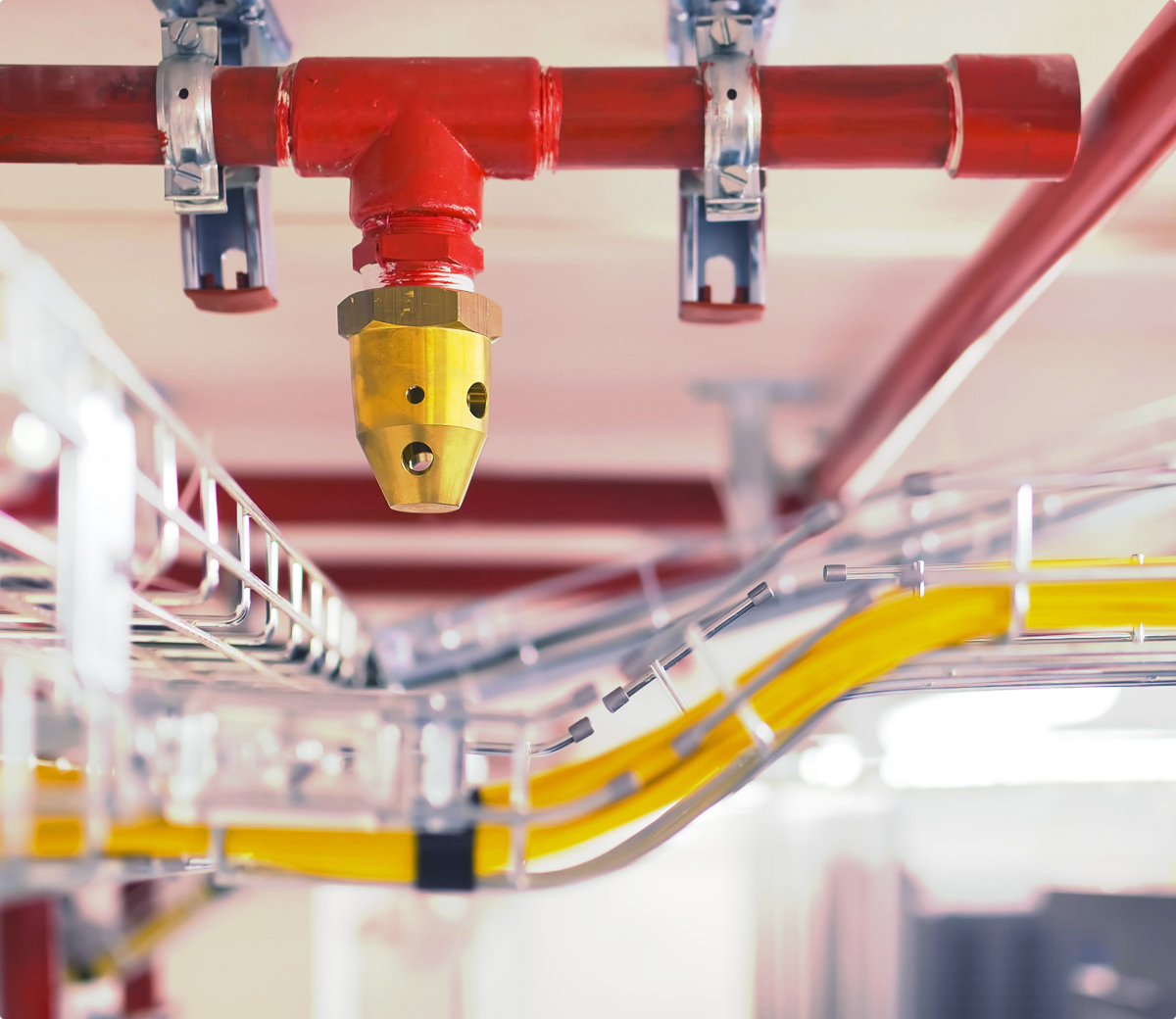
Close-up of a red fire sprinkler pipe with a brass sprinkler head attached to ceiling pipes.

NFPA 10 — Standard for Portable Fire Extinguishers

governs selection, placement, inspection, and maintenance. It requires monthly visual inspections (verifying pressure gauge status, physical condition, and accessibility), annual maintenance performed by a certified technician, internal examination every six years for most rechargeable types, and full hydrostatic testing every twelve years to verify the cylinder itself is still safe under pressure.

OSHA 29 CFR 1910.157

establishes employer obligations, including extinguisher accessibility, employee training requirements where a facility's fire response plan calls for employee use, and maintenance recordkeeping.

Travel distance and placement requirements

vary by hazard classification — typically a maximum 75-foot travel distance for Class A hazards and 50 feet for Class B — and local fire marshals enforce mounting height, signage, and visibility requirements that vary by jurisdiction.
Fortis manages the full inspection tag and documentation trail, so a fire marshal walkthrough is never a scramble.
Contact Fortis

how it works

PLACED RIGHT. CHECKED OFTEN. READY ALWAYS.
Every Fortis service relationship follows the same standard: thorough assessment, precise execution, clear documentation, and a team that stays accountable long after the work is done.
1

Site Survey & Hazard Assessment

Fortis evaluates your facility's specific fire hazards — cooking operations, electrical rooms, flammable storage, industrial equipment — to determine the right extinguisher class, size, and count for every zone.
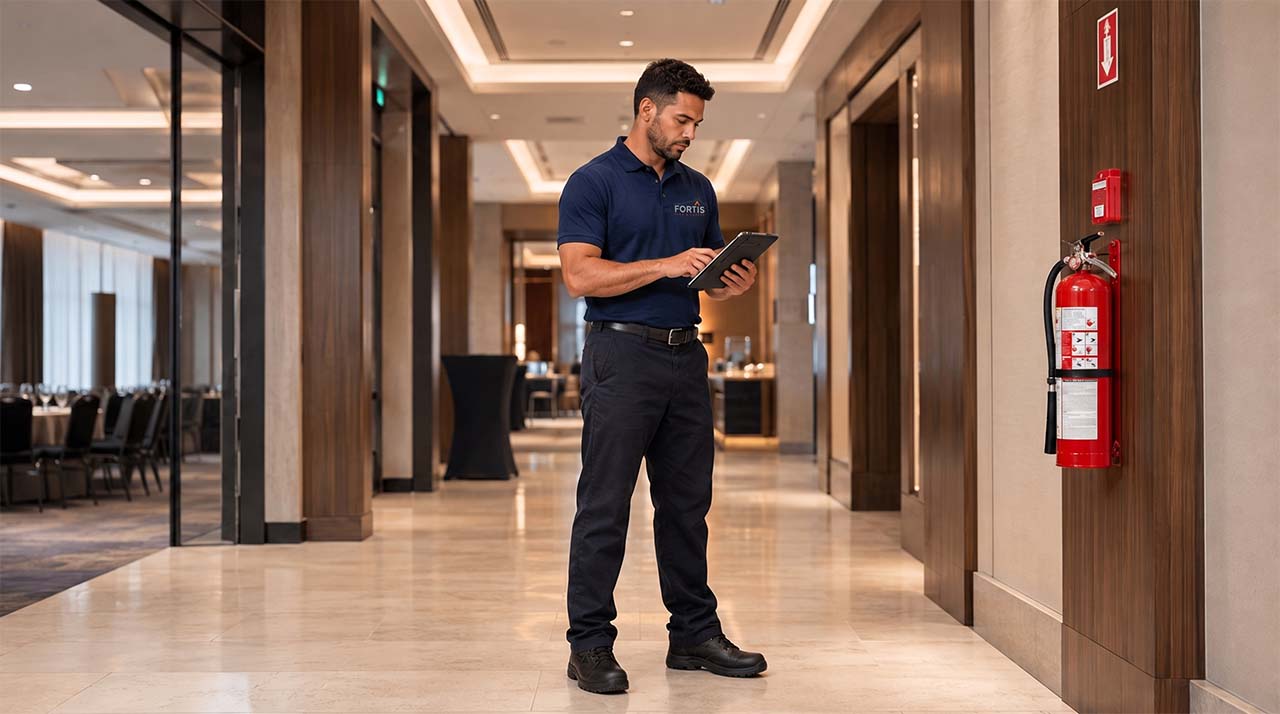
Man in uniform in hallway inspecting fire extinguisher mounted on wall while holding a tablet.
2

Placement & Installation

Units are mounted to satisfy travel-distance and visibility requirements, with signage and mounting height that meets local code and ADA accessibility standards.
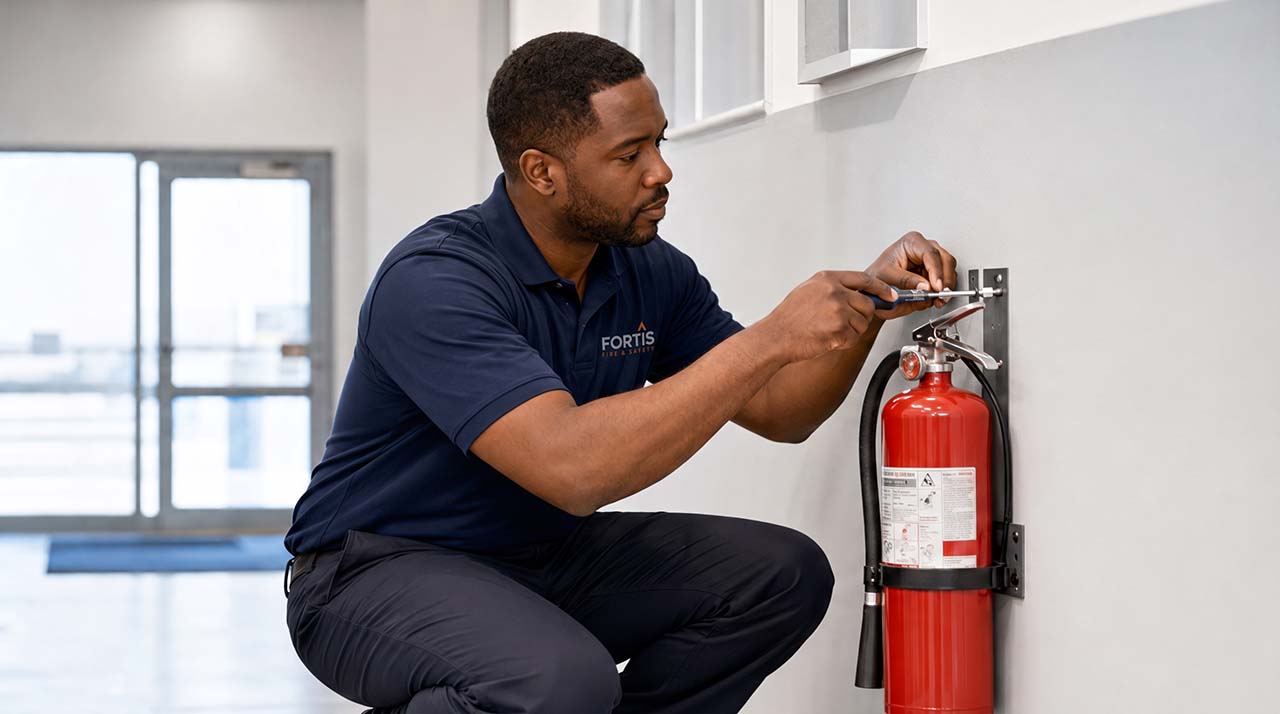
Man in a navy Fortis shirt installing or inspecting a red fire extinguisher mounted on a white wall.
3

Monthly & Annual Inspection Program

Monthly visual checks confirm gauge pressure, physical condition, and accessibility. Annual maintenance — a full teardown and inspection performed by a certified technician — catches what a visual check can't.
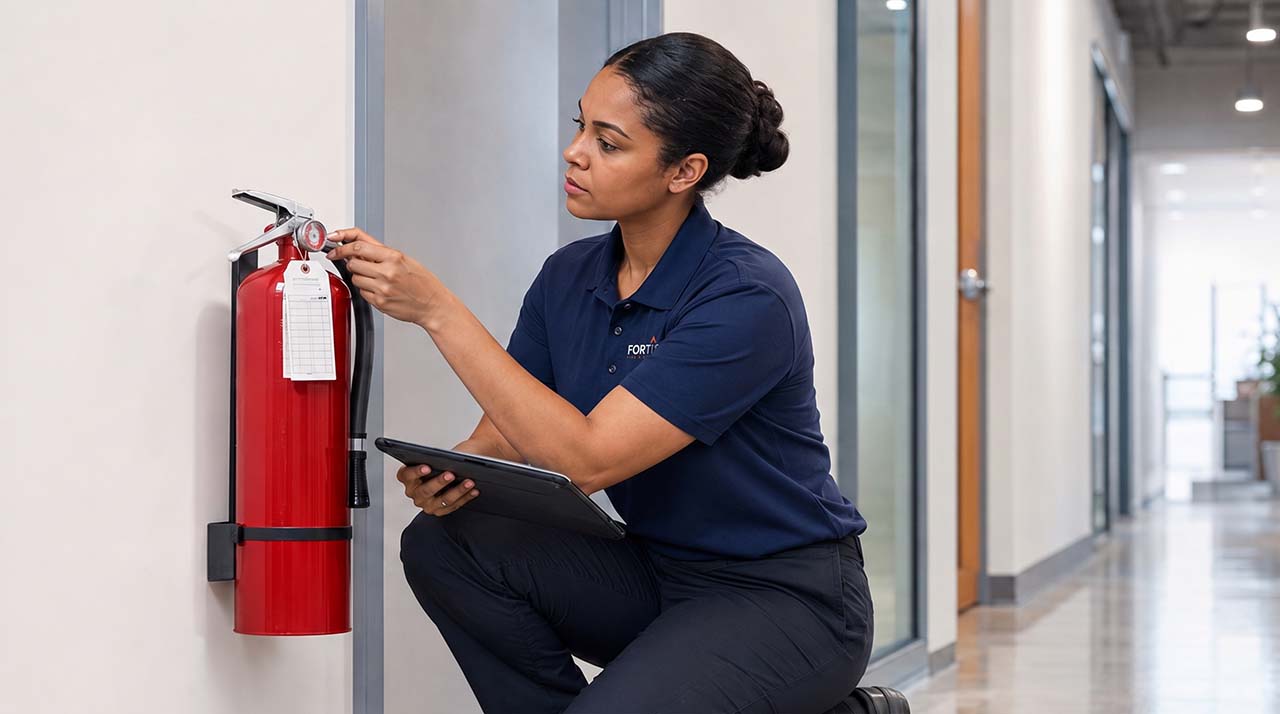
Woman in blue uniform inspecting a red fire extinguisher mounted on a wall while holding a tablet.
4

Recharge, Replacement & Hydrostatic Testing

Discharged or deficient units are recharged or replaced on the spot. Units due for six-year internal maintenance or twelve-year hydrostatic testing are flagged and serviced on schedule, before they lapse.
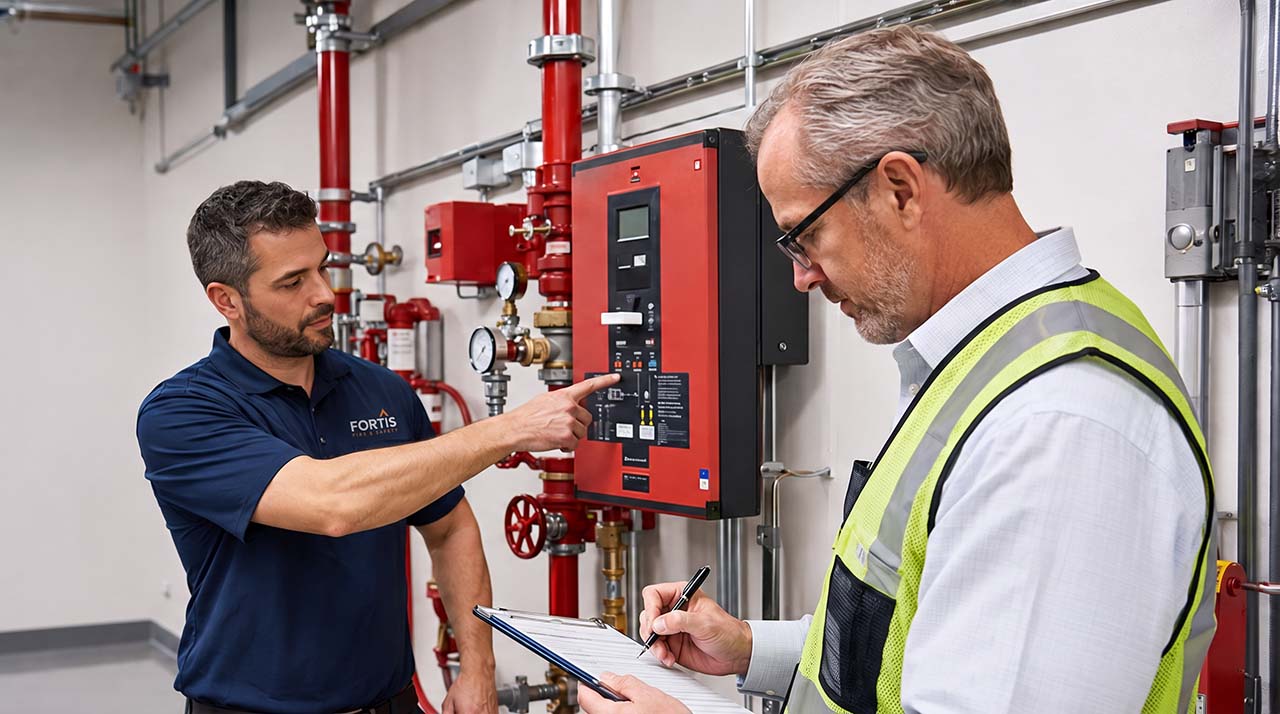
Two men inspecting a fire control panel; one points at the panel while the other writes on a clipboard.

FREQUENTLY ASKED QUESTIONS

FAQS ABOUT FIRE EXTINGUISHERS
We get asked a lot of questions about our Fire Extinguisher service — here are some of the most common.
How often does a fire extinguisher need to be inspected?
NFPA 10 requires a monthly visual inspection (checking pressure gauge, accessibility, and physical condition) and a more thorough annual maintenance inspection performed by a certified technician. Most rechargeable extinguishers also require internal examination every six years and hydrostatic testing every twelve years.
What's the difference between an inspection and a recharge?
An inspection verifies the extinguisher is present, accessible, and showing proper pressure — it doesn't involve opening the unit. A recharge (or maintenance service) involves refilling the extinguishing agent and repressurizing the cylinder, required after any use or when internal inspection reveals a deficiency.
How do I know which class of extinguisher I need?
Extinguisher class depends on the specific fire hazard present: Class A for ordinary combustibles (wood, paper, cloth), Class B for flammable liquids, Class C for electrical equipment, Class D for combustible metals, and Class K for commercial kitchen grease fires. Most facilities need a combination. A Fortis hazard assessment determines the right mix and placement for your space.
When does an extinguisher need to be replaced instead of recharged?
Most rechargeable extinguishers can be serviced indefinitely as long as they pass internal examination and hydrostatic testing. Disposable (non-rechargeable) units must be replaced entirely once discharged or expired — they can't be serviced. Fortis identifies which type you have and manages the correct path for each.
Does OSHA require employee fire extinguisher training?
If your facility's emergency action plan expects employees to use extinguishers during a fire, OSHA requires training on their use at the time of initial assignment and at least annually after. If your plan calls for immediate evacuation instead, this specific training requirement doesn't apply — but extinguishers must still be accessible and maintained. Fortis can advise on which policy fits your facility and provide PASS-method training as part of a service program.

WHY CHOOSE FORTIS FOR FIRE EXTINGUISHERS

The Fortis Difference
Fire extinguishers are the fire protection system most likely to be overlooked — until an inspection lapses, a unit is discharged and never replaced, or a fire marshal walkthrough turns up an expired tag.

Fortis makes sure your first line of defense is never the one thing nobody checked.
One provider, one schedule.

Extinguisher inspections run on the same coordinated calendar as your sprinkler, alarm, and suppression service — nothing falls through the cracks of being everyone's lowest priority.

Technicians who actually care about the details.

The kind of team that notices a loose wall bracket and fixes it without being asked — because an extinguisher that's present but not properly mounted is still a deficiency waiting to be found.

Documentation that holds up.

Every inspection tagged, logged, and ready to produce the moment a fire marshal asks for it.

Service Area

FIRE EXTINGUISHER SERVICE COVERAGE

Fortis Fire & Safety operates through a national network of regionally embedded fire and life safety companies — delivering fire extinguisher program management in every market we serve, backed by the resources and standards of a premier national organization.

For national account inquiries, contact our National Accounts team.
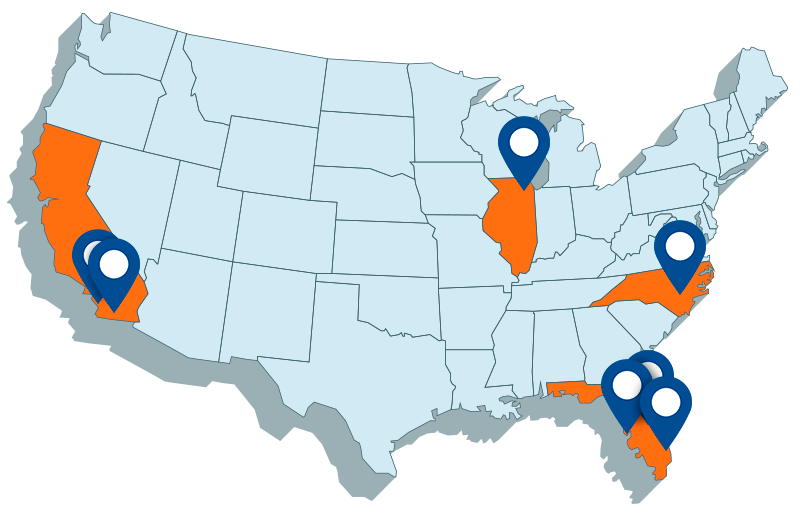
Map of the US highlighting California, Illinois, North Carolina, and Florida with blue location pins.

CJ Suppression

205 Lewis Court
Corona, CA 92882

visit site >

VFS Fire & Security Services

501 W. Southern Avenue
Orange, CA 92865

visit site >

LaMarco Systems

425 Huehl Rd Building 5
Northbrook, IL 60062

visit site >

Diversified Systems, Inc.

1103 Great Falls Court
Knightdale, NC 27545

visit site >

Integrated Fire & Security Systems

1970 Dana Drive
Fort Myers, FL  33907

visit site >

Lifesafety Management

2017 Corporate Drive
Boynton Beach, FL 33426

visit site >

Piper Fire Protection

13075 US Hwy 19 N
Clearwater, FL 33764

visit site >

MAKE SURE IT'S READY BEFORE IT'S NEEDED.

Talk to a Fortis specialist about a fire extinguisher program for your facility.

Fortis Family of Brands
Local expertise, national strength
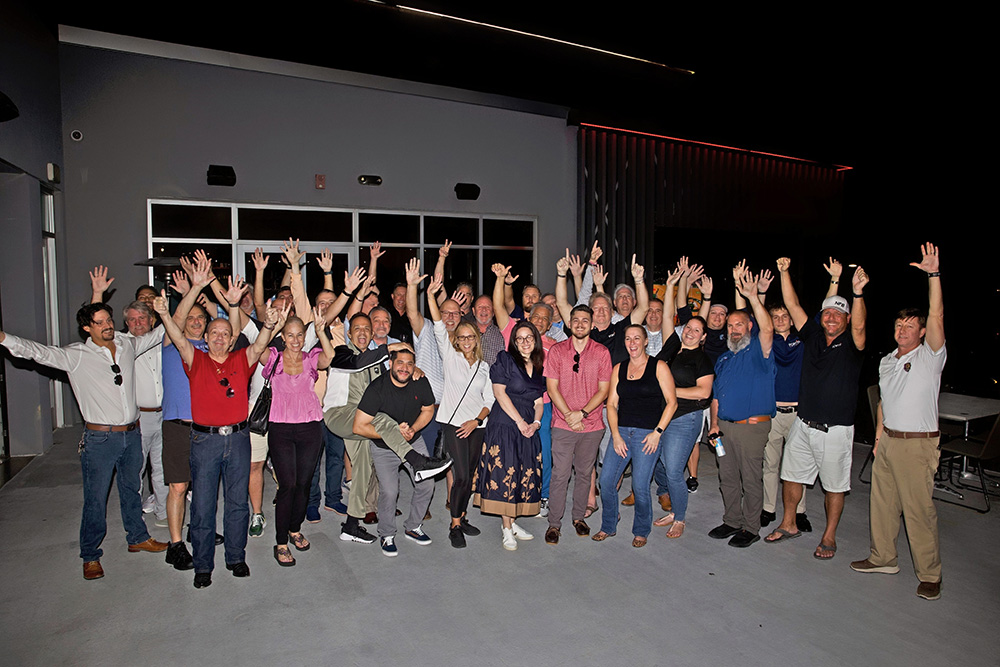
Large group of people outside at night with raised hands, smiling and posing for a photo.
The best of both — in every market we serve.

Trust is built locally. It lives in the technician who knows your building, knows your local codes, and shows up when something goes wrong at midnight. It lives in the relationship between a fire protection company and the community it has served for decades.


But capability is built at scale. The training standards, the technical resources, the purchasing power, the shared knowledge of a unified national organization — these are the things that make a local provider exceptional rather than merely adequate.

Fortis was built on this belief.

Our network of regionally rooted fire and life safety companies delivers genuine local expertise in every market we serve — technicians who know the regional AHJs, the local codes, and the specific demands of the facilities in their community. Behind each of them stands the full weight of a premier national organization.

You build. You create. You push the world forward.
We protect it all.
CJ Suppression logo with stylized flames above oval containing 'CJS' text, tagged as a Fortis brand.Diversified Systems, Inc. logo with a downward triangle and horizontal line, A Fortis brand.IFSS logo with Integrated Fire and Security Solutions, a Fortis brand text.LSM shield logo with text LifeSafety Management, a Fortis brand on black background.Piper Fire Protection logo with a stylized water droplet and swoosh, labeled a Fortis brand.VFS logo with a triangular symbol above and text Fire & Security Services, A Fortis BrandLAMARCO SYSTEMS logo with text Life Safety & Integrated Security Solutions, a FORTIS brand.